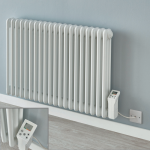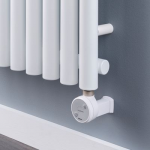
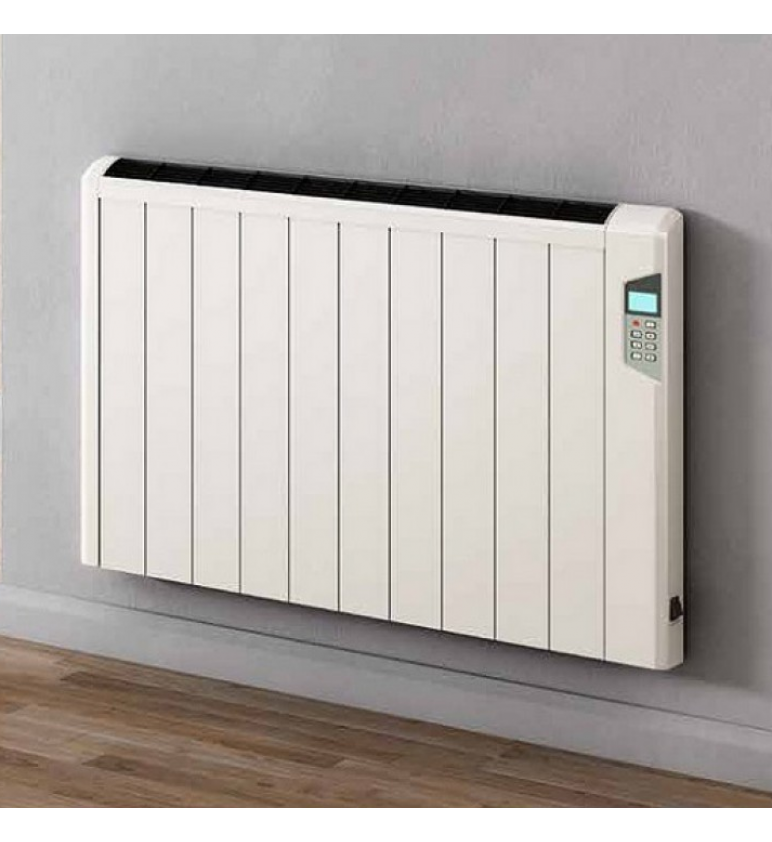
A radiator is a heat exchanger that employs a mechanism to pass heat from one medium to the other in order to facilitate heating and cooling. Most of the radiators are building blocks to work in electronics, buildings, and automobiles. A radiator is a heat source to its surroundings and it can also be used as a coolant to cool the liquids.

Radiator

Radiator

Types of Radiator

The radiators are developed to deliver excellent efficiency at affordable cost. It is necessary to understand that not all radiators are eco friendly. Most of them are designed for aesthetic purposes.

Based on power and size of the radiator, output of a radiator varies.

The noteworthy types of radiators are:

• Traditional Radiator,
• Compact radiators,
• Towel Radiator,
• Low Surface Temperature Radiators, and
• Flat Panel Radiators

Let us discuss these radiator types in detail.

• Traditional Radiator: These radiators require more wall space to be fixed. Recently, production of traditional radiator has been reduced by radiator manufacturers due to their bulky nature.
• Compact Radiator: The compact radiators are suitable for small as well as large rooms. Since size of these radiators is very small, they take very small wall space for fixing.

Compact Radiator

Compact Radiator


• Towel Radiator: Such radiators are linked to the central heating system, which keeps the room and towels hot. These radiators are more economical and multitasking. Similar to these radiators, Tubular towel radiators are very famous and abundantly available in market in different shapes and styles.
Towel Radiator

Towel Radiator


There are two more radiators; Flat Panel Radiators and Low Surface Temperature Radiators. These two radiators have different operations with unique properties, but they’re not so common in the market.

How Does A Radiator Work?

Any radiator consists of tubes, caps, cooling fins, and hoses. Coming to the working, a radiator comprises of different stages of tubes, used in coolant flows. All the tubes move back and forth in the core of the radiator and cool the fluid. Almost in all cases, these tubes are made up of corrosion-resistant copper.

Coming to the radiator cap, it is the interior component of system; it maintains constant pressure in the radiator. When coolant and water is pressurized, temperature goes beyond the boiling point of water. Due to high pressure, the radiator cap becomes very hot.

Moving on to the cooling fins, they are located at both sides and these have very thin fins. These are used for cooling the incoming air. Talking about hoses, each radiator has an outlet and inlet. The outlet hose permits the fluid to cool and the cooled fluid enters the engine again. Inlet hose passes hot fluid from the engine to radiator.

All these components jointly work and perform the function of a radiator.


| About Us | Contact Us | Privacy Policy |